

Presents- journalism of Neglected Topics.
📅 Global Release: Wednesday, Feb 11th, 2026
🌍 FEATURE ARTICLE :
A Value-Led Cultural Symbolism
Subtitle: President John Dramani Mahama: The Architect of Heritage-Building on Ghana’s Cultural Foundation.
HAIR SENTA ADVERTISEMENT


https://www.instagram.com/hairsenta?igsh=MXAzOThhNGZ0Nm15dQ==
Fall in Love with Your Hair This Valentine’s Day! 🌹
Valentine’s Day is about more than just romance—it’s about the joy of connection and the beauty of feeling your best. At Hair Senta, our heart beats for our clients. We believe that finding joy in our clients’ happiness is the ultimate reward. For us, the path of sharing your joy and working for your happiness is the true path to personal, lasting happiness.
Why Hair Senta is Your Perfect Valentine’s Match
- Your Happiness, Our Mission: We don’t just sell extensions; we curate looks that make you glow from the inside out. Your smile is our success.
- World-Class Quality: Sourced with care and shipped from Ghana to the world. We offer the finest, trademarked human hair extensions that stand the test of time.
- Versatile Styles: Whether you want sleek sophistication or voluminous curls, we have the perfect texture to match your Valentine’s vibe.
- Global Reach: Based in Accra, but our beauty knows no borders. We ship our premium hair globally to bring a piece of Ghanaian luxury to your doorstep.
Experience the Joy of Luxury
Celebrate this season of love by treating yourself to the crown you deserve.
- 📍 Visit the Showroom: 24 Jungle Avenue, East Legon, Accra, Ghana.
- 🌐 Shop 24/7: www.hairsenta.com
- 📞 Call/WhatsApp to Order: * (+233) 0544 354 455
- (+233) 0248 629 769
ABOUT THIS EDITION
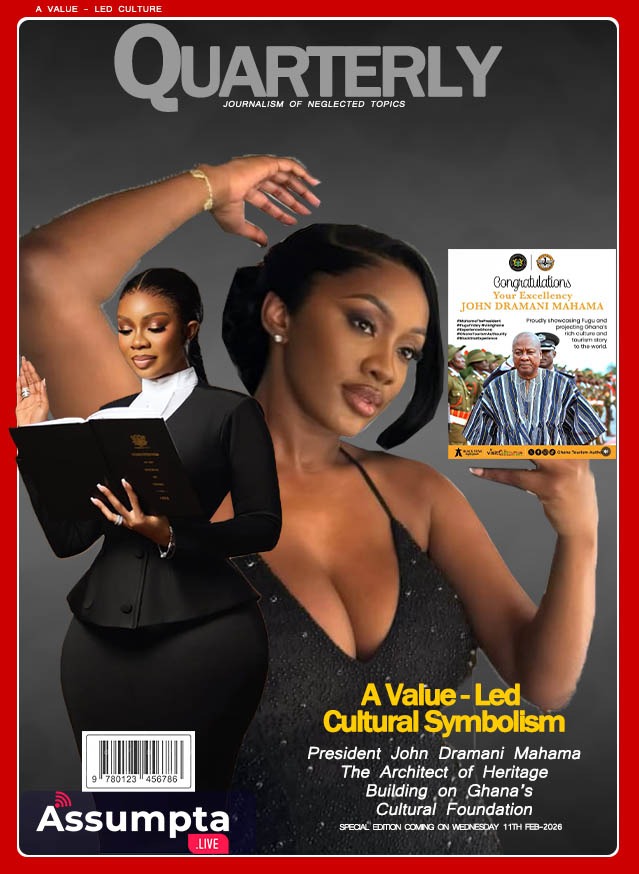
To dissect the core of this movement, we are bringing two of the continent’s sharpest legal minds to the table:
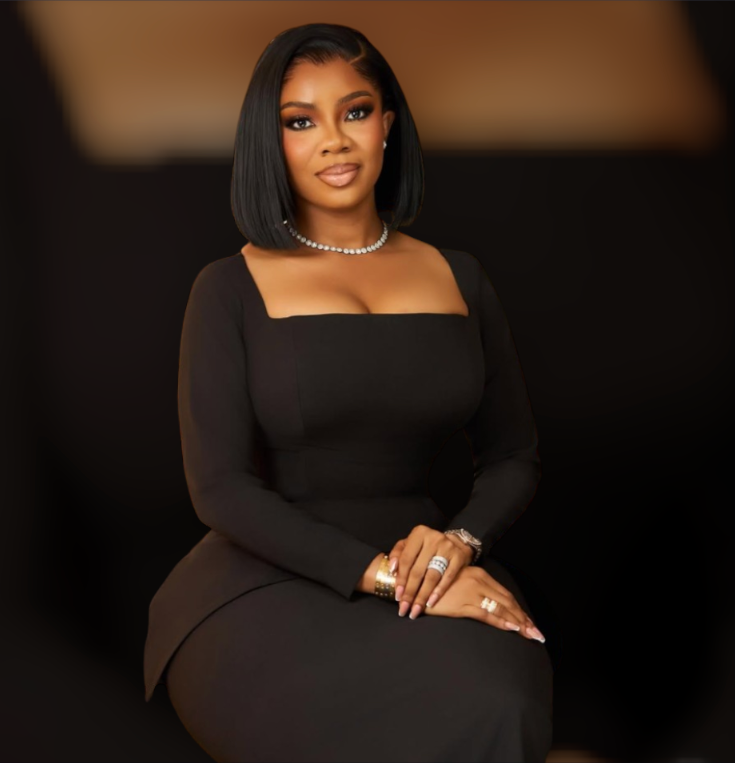
⚖️ Serwaa Amihere, Esq. (Ghana)
⚖️ Assumpta Gahutu, Esq. (Namibia)
They won’t just discuss the “what”—they will challenge the “why.” From the ethical values of leadership to the legal framework of protecting African heritage, these two titans of the bar will debate whether we are building a foundation for the future… or allowing our legacy to be traded away.
“Are we defeating the ‘Poverty Mindset,’ or just dressing it up?”
WHAT THIS ISSUE UNPACKS
- The Fugu Blueprint: Analyzing how a single garment serves as a foundation for national identity and economic sovereignty.
- The Jurisprudence of Heritage: A deep dive into the legal protections required to keep African culture from being commodified by foreign interests.
- Leadership Ethics: How President Mahama’s visual leadership challenges the “economic usefulness” trap.
WHY THIS MATTERS
“For too long, the global narrative has viewed Africa as a source of raw materials. This issue argues that our greatest resource is our intellectual and cultural property. If we do not protect the symbolism, we cannot protect the soil.”
WHAT’S INSIDE THE FEATURE:
- Exclusive Analysis: Why cultural pride is the ultimate antidote to the “Poverty Mindset.”
- The Legal Cross-Examination: Serwaa-Amihere and Assumpta-Gahutu debate the ethics of modern African statecraft.
- From Minerals to Masterpieces: Why Africa must stop trading its future for “daily bread” and start building for the next century.
A Letter from the Editor: Beyond the Daily Bread
When we look at a photograph of a leader in traditional attire, it is easy to see only “culture” in its most passive form. But at Assumpta Quarterly, we believe that nothing is passive. Everything is a choice, and every choice carries a value.
In this edition, we move past the surface of the Fugu to explore a radical idea: that cultural heritage is not a relic of the past, but the scaffolding of our economic future. For too long, the “Poverty Mindset” has dictated that we trade our most precious assets—both mineral and mental—for the sake of mere “economic usefulness.” We have been trained to be useful to everyone but ourselves.
I am honored to welcome two titans of African jurisprudence, Serwaa Amihere, Esq. and Assumpta Gahutu, Esq., to help us navigate this. Together, we ask the hard questions: How do we legally and ethically protect the “African Soul”? Can we build a continent that values its soil as much as its symbols?
President John Dramani Mahama has laid a foundation. It is now up to us—the thinkers, the lawyers, and the citizens—to ensure that we do not just inhabit this heritage, but that we build upon it with such strength that it can never be dismantled. Welcome to a masterclass in sovereignty.
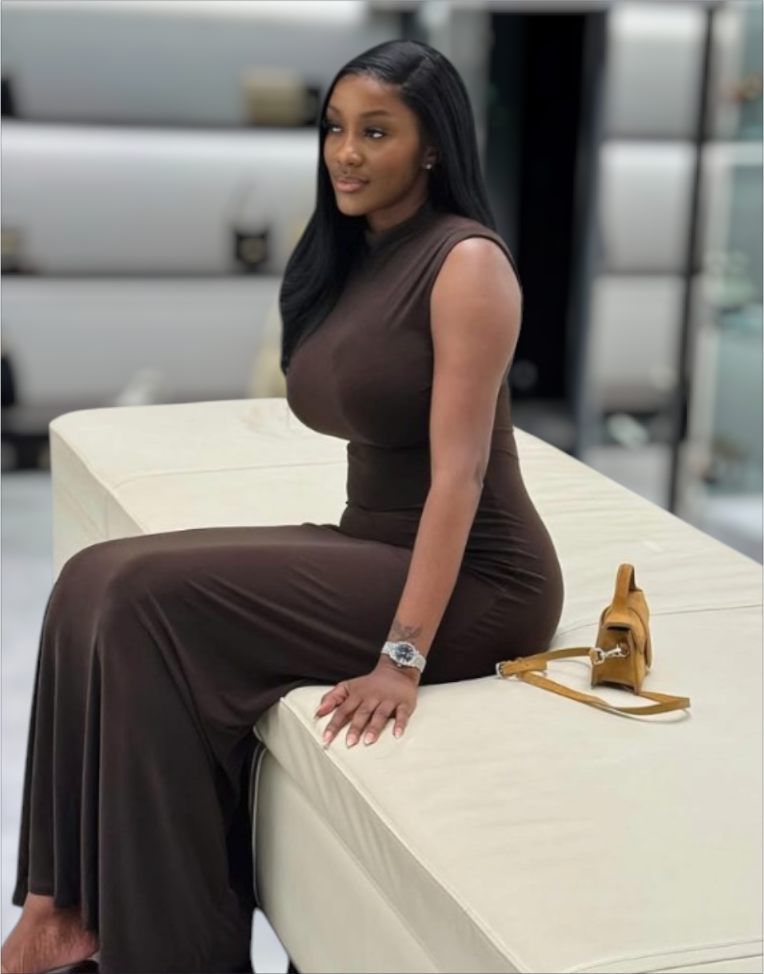
A Value-Led Cultural Symbolism
How do we anchor our heritage in such clear values that the next generation chooses to evolve it rather than erase it?
If we all adopted the mindset displayed by His Excellency John Dramani Mahama, imagine the Africa we could build. For too long, our economic focus—trading natural resources for foreign gain—has prepared Africans for economic usefulness alone. Of course, we want citizens who can “earn their daily bread.” We want contributors, not onlookers. But it is incomplete—and perhaps even dangerous—to believe that the vast natural resources and rare earth minerals of this continent exist simply to be handed over. That is a poverty mindset.
I believe President Mahama is challenging this drive. By elevating the Fugu outfit from simple cloth to a national statement, he is defeating that mindset and laying a firm foundation for Ghana’s cultural future. He is proving that our greatest export isn’t just what we dig out of the ground, but the identity we weave into our daily lives.
”Is an African garment just a piece of fabric, or is it a declaration of economic sovereignty? In an era where our natural resources are too often traded for a ‘poverty mindset,’ President John Dramani Mahama stands as a visionary architect, proving that when we weave our values into our heritage, we build a foundation that no foreign interest can erode.”
Section 1: The “Rare Earth” Metaphor – Cultural Gold vs. Raw Minerals
For decades, the narrative of Africa has been one of extraction. We are told our value lies in what is beneath our feet—our gold, our lithium, our oil. But when we view our resources only as something to be traded away for foreign currency, we remain in a state of “economic usefulness” for others, rather than economic sovereignty for ourselves.
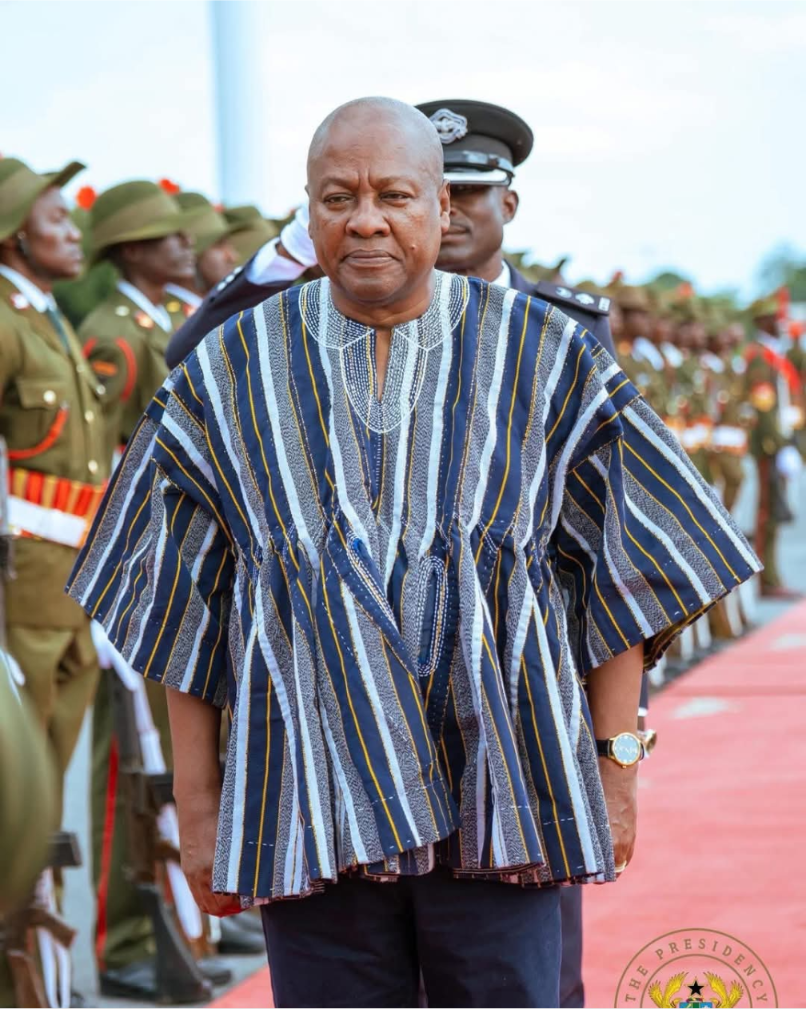
President Mahama’s promotion of the Fugu is a masterclass in shifting this narrative. He is treating our cultural heritage as a “rare earth mineral” that we refuse to export in its raw form. By wearing the Fugu on the global stage, he is adding “value” to our identity. He is telling the world that our textiles—and by extension, our people—are not just raw materials to be processed elsewhere. They are finished, sophisticated products of a civilization that knows its own worth.
Section 2: Defeating the Poverty Mindset – Beyond “Daily Bread”
A poverty mindset is one that prioritizes immediate survival over long-term legacy. Yes, we must earn our daily bread, but man does not live by bread alone—he lives by his dignity. If we view our traditions as “backward” and foreign suits as “professional,” we are mentally handing over our sovereignty before a single contract is signed.
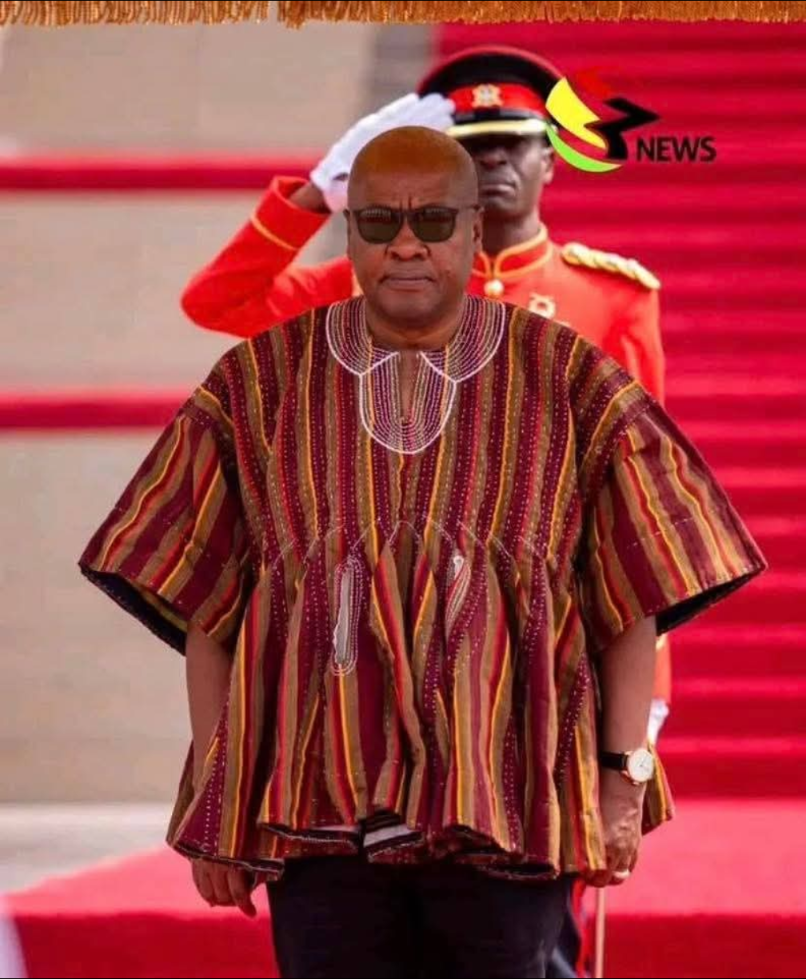
When we see the President standing tall in the Fugu, we see a man who has defeated the idea that “African” is synonymous with “unfinished.” If we all thought this way, we wouldn’t just be looking for jobs; we would be looking to build industries. We wouldn’t just be looking for “foreign investors”; we would be looking for “cultural partners.” We move from being “economically useful” to being culturally indispensable.
Section 3: The Call to Action – Building the Foundation
So, how do we make sure this cultural symbolism is so clearly values-led that the next generation builds on it instead of destroying it?
- Wear the Value: Don’t just wear the Fugu because it’s “Fugu Friday.” Wear it as a uniform of economic resistance. Every time you buy local, you are voting for an African future.
- Educate the “Why”: Tell the stories of the weavers in Northern Ghana. Explain that the Fugu represents the strength of warriors and the wisdom of kings. When our children know the cost of the heritage, they will respect the value of the garment.
- Demand Sovereignty: Follow the lead of thinkers who argue for full ownership of our resources. If we can own our culture with pride, we will find the courage to own our minerals with the same ferocity.
Conclusion: A Wonderful Africa
If every leader and citizen across the continent adopted this mindset, the Africa we would build would be unrecognizable to those who only see us as a source of raw materials. We would be a continent that exports finished ideas, finished products, and an unshakeable sense of self.
President John Dramani Mahama isn’t just wearing a smock; he is wearing a blueprint for a new Africa. It’s time we all started dressing for the future we want to inhabit.
The Feature: The Change in the Ghanaian
The encounter with Western and European cultures decades ago did more than change our borders; it changed our souls. As Ghanaians met a world they didn’t yet know, they began to distance themselves from the very essence of who they were. Names were changed, traditions were discarded, and our culture was labeled as “other” to make room for a system of trade that valued our gold but ignored our humanity.
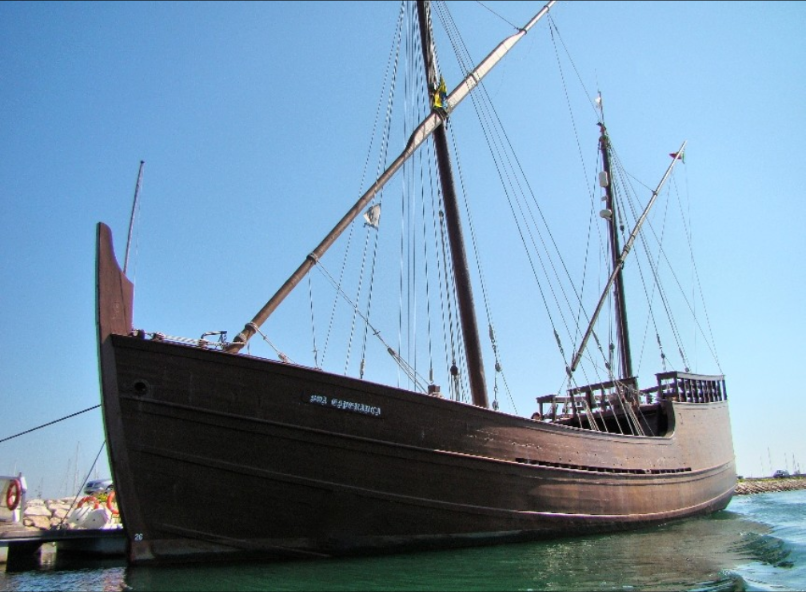
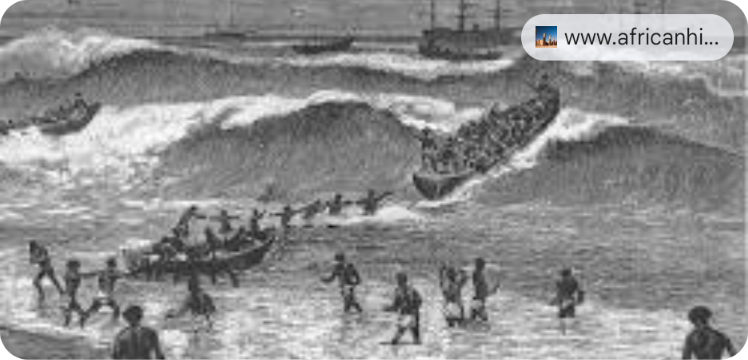
The Western system ensured our true identity would disappear beneath layers of foreign influence. We were taught to be “useful” to a global economy while becoming strangers to our own ancestors.
But today, we are witnessing a unique story of restoration. The most notable impact of President John Dramani Mahama’s Fugu Project is not just in the textile industry; it is in the change within the Ghanaian. In the wake of what the country had lost, President Mahama has stood in awe of our heritage and chose to wear it as a shield. By elevating the Fugu to the world’s highest platforms—from state visits to the United Nations—he is facilitating an experience of living with pride. He is proving that the African identity is not a “blouse” or a relic; it is a living, breathing testament to our survival and our sophistication.
The “Architect of Heritage” is not just building buildings; he is rebuilding the Ghanaian sense of self.
The Dialogue: Sovereignty, Silk, and the Law
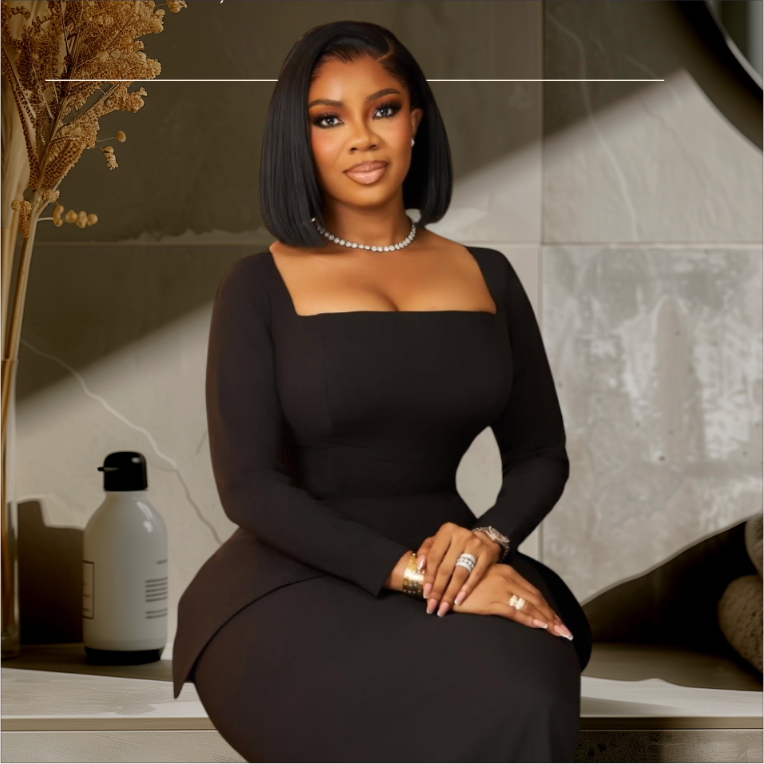
Serwaa Amihere, Esq.: “Good morning, good afternoon, and good evening to our readers across the globe. Welcome to this special edition of Assumpta Quarterly. I am Serwaa Amihere, a legal practitioner based in Accra, Ghana, specializing in Constitutional Law and Intellectual Property. It is my distinct honor to host this cross-continental conversation today as we delve into the intersection of jurisprudence and cultural identity.”
”Joining me from Windhoek is my esteemed colleague, Assumpta Gahutu, Esq. Assumpta is a distinguished legal mind from Namibia, renowned for her work in Human Rights Law and her advocacy for the protection of indigenous knowledge systems across Southern Africa. Assumpta, welcome to the program.”
Assumpta Gahutu, Esq.: “Thank you, Serwaa. It is a pleasure to be here. The work you are doing to highlight these ‘neglected topics’ is vital for the legal and social evolution of our continent. I look forward to our exchange.”
Serwaa Amihere, Esq.: “Let us dive straight in. Assumpta, I want to share a specific image with you and our readers. It features His Excellency John Dramani Mahama, a prominent figure in Ghanaian leadership, adorned in the traditional Fugu—also known as the Batakari.”
”This isn’t merely a fashion choice; it is a profound act of cultural advocacy. The Fugu is a staple of Northern Ghanaian heritage, hand-loomed from strips of cotton to symbolize strength and leadership. By wearing this before a military guard of honor, the President isn’t just dressing for an occasion; he is signaling a commitment to local industry and a rejection of the ‘imported’ identity. Between the #FuguFriday campaigns and the support for local weavers, we are seeing ‘soft power’ in its most elegant form. It’s a direct call to value indigenous creativity over foreign imports.”
”As a lawyer who looks at the structures of power, Assumpta, what are your thoughts on this? How do you interpret this move by ‘The Architect of Heritage’?”
Assumpta Gahutu, Esq.: “It is a striking visual, Serwaa. When I look at this image through a legal lens, I see more than ‘soft power’—I see Sovereign Expression.
In Namibia, and indeed across Africa, we have spent decades operating within legal and economic systems that were designed to make us ‘economically useful’ to others while eroding our true identity. What President Mahama is doing here is a visual ‘Counter-Brief’ against that history.
By placing the Fugu in a formal, military setting, he is ‘de-colonizing’ the concept of officialdom. He is stating that African heritage is not a weekend hobby or a costume; it is a formal, legal, and state-sanctioned identity. My initial thought is this: If we don’t own the symbols of our power, can we truly say we own our resources? This image suggests that the fight for our minerals begins with the pride in our cloth. It challenges us to ask: Are we merely ‘dressing up’ the poverty mindset, or are we finally weaving a new reality?”
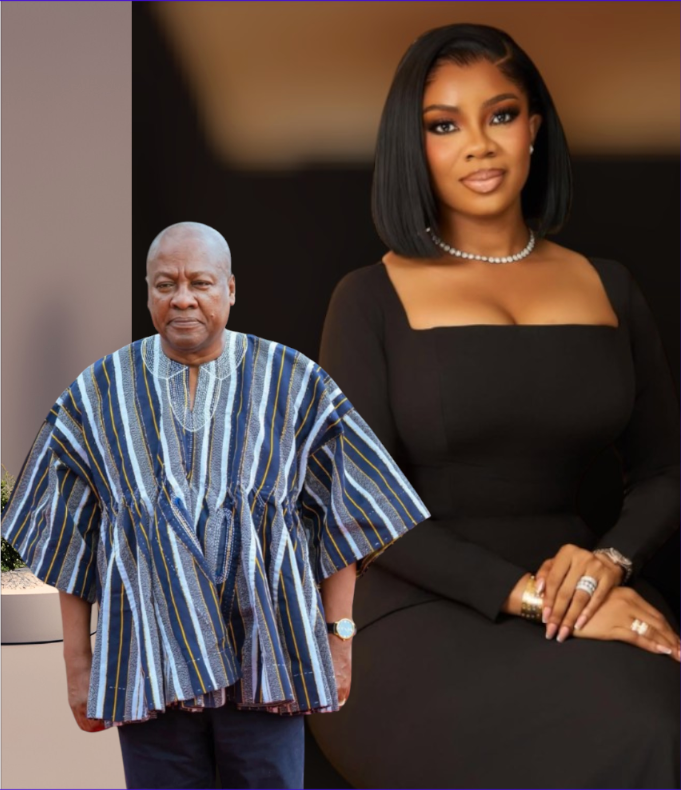
Serwaa Amihere, Esq.: “Assumpta, your point on ‘Sovereign Expression’ is the perfect bridge to a deeper, more personal shift we are documenting in this issue: The Change in the Ghanaian. We have to acknowledge that our encounter with Western systems decades ago did more than just redraw our maps—it fractured our souls. We saw a generation start to change their names and discard traditions because our culture was labeled as ‘other.’ We were being groomed for economic usefulness while our humanity was sidelined.”
”But looking at President Mahama’s Fugu Project, I see a restoration of the ‘self.’ He wears the Fugu as a shield on the world’s highest stages, from the UN to state visits, proving our identity is a sophisticated testament to survival. As a human rights advocate, Assumpta, how do we translate this ‘change in the Ghanaian’ into Legal Protections? How do we ensure that this ‘rebuilt sense of self’ is protected by law so it can never be traded away again?”

Assumpta Gahutu, Esq.: “That is a powerful question, Serwaa. From a legal standpoint, what we are discussing is the Jurisprudence of Identity. When a system makes a people ‘strangers to their own ancestors,’ it is a violation of the collective right to culture. President Mahama’s approach isn’t just about fashion; it’s about Cultural Intellectual Property.“
”In Namibia and across the SADC region, we argue that the ‘human value’ of a person is tied to their cultural continuity. If we don’t have laws that protect our traditional designs, our names, and our indigenous knowledge, they become ‘raw materials’ for others to mine—just like our gold. We need a legal framework that treats the Fugu not as a ‘relic,’ but as a protected asset of the state.
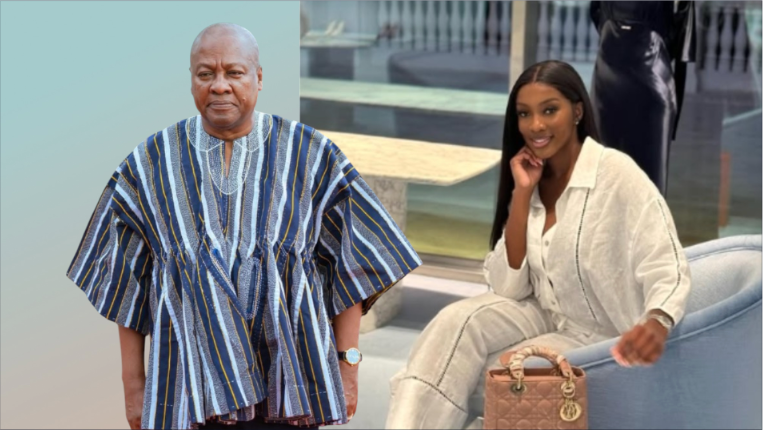
Assumpta Gahutu, Esq. (continuing): “By wearing that garment as a shield, the President is making a ‘Legal Claim’ to our sophistication. He is saying: ‘Our identity is not for sale.’ The human value here is Dignity. If the law doesn’t protect a citizen’s right to be authentically African in a boardroom or a courtroom, then the law is still serving that old Western system of trade. We must build laws that reflect this ‘Architect of Heritage’ mindset—laws that protect the soul, not just the soil.”
Serwaa Amihere, Esq.: “Precisely! It’s the move from being ‘economically useful’ to others, to being ‘legally sovereign’ within ourselves. If we don’t value the weaver in Northern Ghana as a stakeholder in our national brand, we are still trapped in that poverty mindset you mentioned earlier.”
Assumpta Gahutu, Esq.: “Serwaa, I must express my deepest gratitude for your profound opening. Your insights into the ‘Jurisprudence of Identity’ truly resonate with the legal struggles we face across the continent. Thank you for framing this so eloquently; it provides the perfect foundation for what I wish to share with our global audience.”
”In reading our feature introduction for this edition, I am struck by a singular, haunting question: How do we anchor our heritage in such clear values that the next generation chooses to evolve it rather than erase it?“
”If we all adopted the mindset displayed by His Excellency John Dramani Mahama, imagine the Africa we could build. For too long, our economic focus—trading natural resources for foreign gain—has prepared us for economic usefulness alone. Of course, we want citizens who can ‘earn their daily bread.’ We want contributors, not onlookers. But it is incomplete—and perhaps even dangerous—to believe that the vast natural resources and rare earth minerals of this continent exist simply to be handed over. That, Serwaa, is the definition of a poverty mindset.“
”President Mahama is challenging this drive. By elevating the Fugu from simple cloth to a national statement, he is defeating that mindset and proving that our greatest export isn’t just what we dig out of the ground, but the identity we weave into our daily lives. Is an African garment just fabric, or a declaration of economic sovereignty? He stands as a visionary architect, proving that when we weave values into heritage, we build a foundation that no foreign interest can erode.”
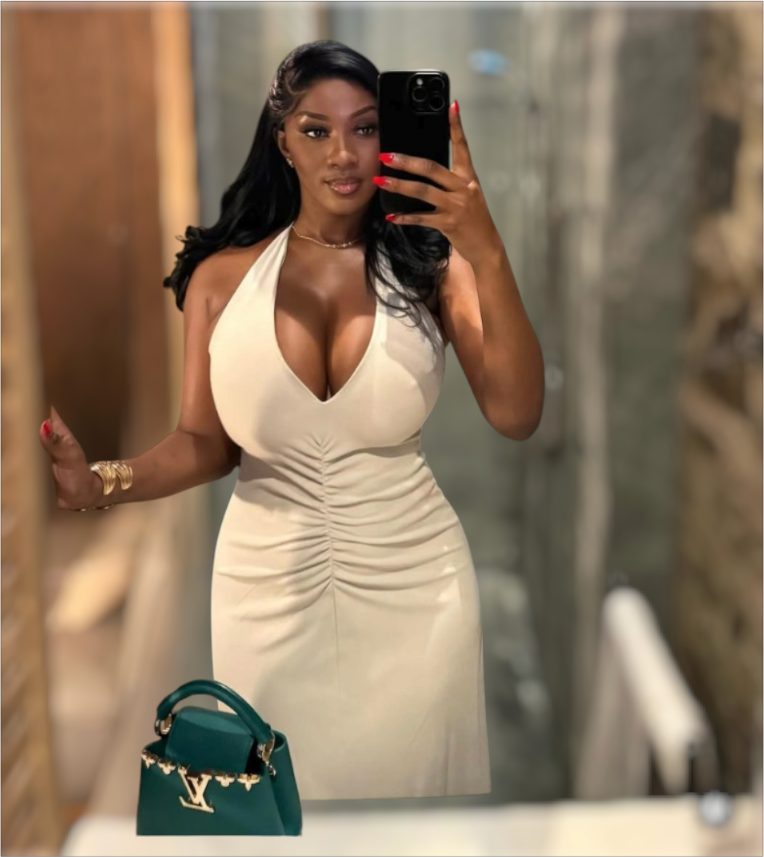
Assumpta Gahutu, Esq. (continuing): “This brings us to a metaphor that I believe our readers must sit with: Cultural Gold vs. Raw Minerals. For decades, the narrative of Africa has been one of extraction—gold, lithium, oil. But when we view resources only as items to be traded for foreign currency, we remain in a state of ‘economic usefulness’ for others. President Mahama’s promotion of the Fugu shifts this narrative. He treats heritage as a ‘rare earth mineral’ that we refuse to export in its raw form. He is telling the world that our people are not raw materials to be processed elsewhere; they are the finished, sophisticated products of a civilization that knows its own worth.”
”And finally, Serwaa, this is how we Defeat the Poverty Mindset. A poverty mindset prioritizes immediate survival over long-term legacy. Yes, we need bread, but we also need dignity. If we view our traditions as ‘backward’ and foreign suits as the only ‘professional’ standard, we have already signed away our sovereignty. When the President stands tall in the Fugu, he defeats the idea that ‘African’ is synonymous with ‘unfinished.’ If we all thought this way, we wouldn’t just be looking for jobs; we would be looking to build industries. We move from being ‘economically useful’ to being culturally indispensable.“
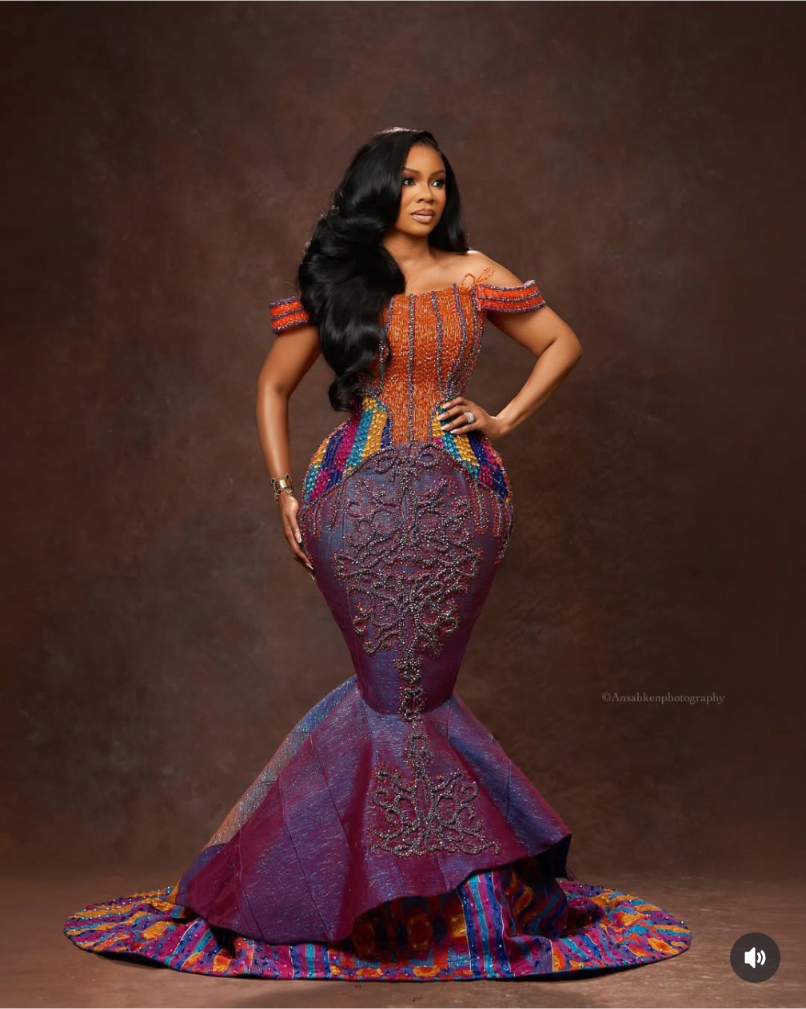
Serwaa Amihere, Esq.: “Assumpta, I am moved by your delivery of that message. It is a clarion call. By moving from ‘extraction’ to ‘value-addition’ in our own culture, we set a legal and moral precedent that will govern how we handle our physical minerals as well. You’ve hit the nail on the head: we are no longer ‘unfinished’ products awaiting foreign refinement, your analysis of the ‘Poverty Mindset’ is a sobering reminder of the work ahead.
To truly bridge this gap, we must Educate the ‘Why.’ We must tell the stories of the weavers in Northern Ghana—the rhythmic clatter of the loom is the heartbeat of our history. We must explain that the Fugu represents the strength of warriors and the wisdom of kings. When our children understand the true cost of this heritage—the generations of labor and the philosophy behind every stripe—they will respect the value of the garment as more than just fabric.”
”Furthermore, we must Demand Sovereignty. We must follow the lead of thinkers who argue for full ownership of our resources. It is a simple equation: if we can own our culture with pride, we will eventually find the courage to own our minerals with the same ferocity. We are moving from a state of being managed to a state of being self-determined.”

Assumpta Gahutu, Esq.: “I couldn’t agree more, Serwaa. What a transformation that would be. If every leader and citizen across the continent adopted this mindset, the Africa we would build would be unrecognizable to those who only see us as a source of raw materials. We would cease to be an extraction site and become a global powerhouse—a continent that exports finished ideas, finished products, and an unshakeable sense of self.”
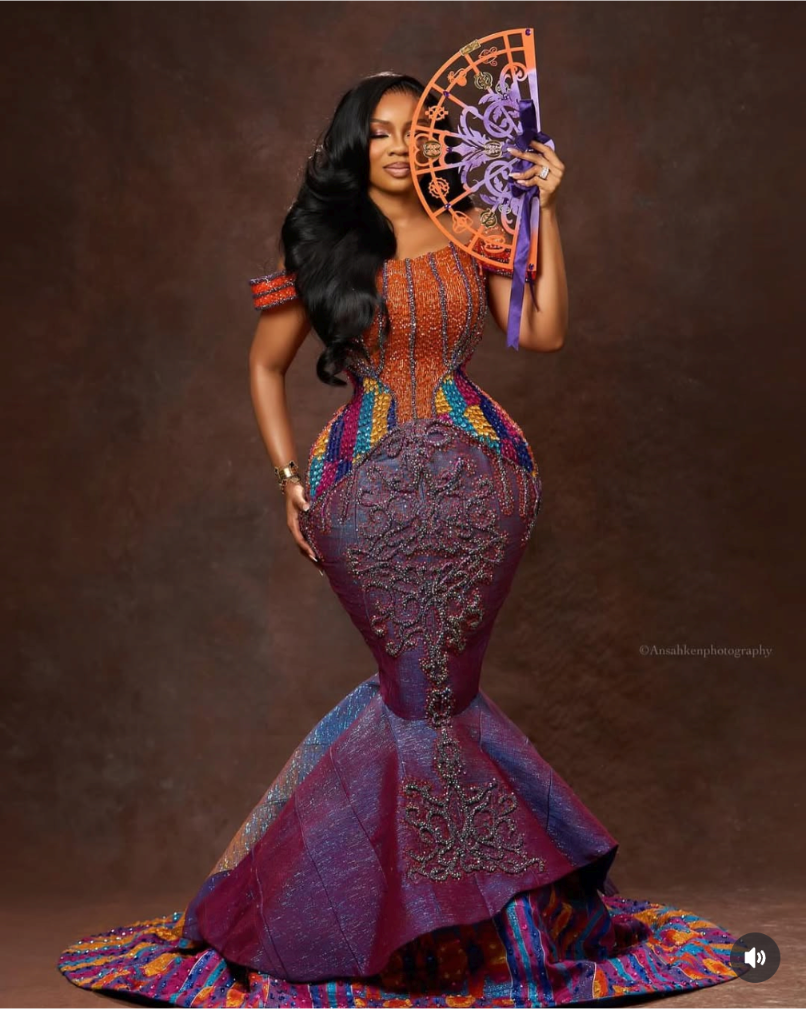
Serwaa Amihere, Esq.: “Exactly. We are no longer waiting for permission to be great; we are weaving that greatness into the very fabric of our society. This brings our discussion full circle to the heart of our feature: A Value-Led Cultural Symbolism. It is the blueprint for the Africa we deserve.”
”Assumpta, it has been an absolute privilege to share this platform with you. Your legal insights from Namibia have added a necessary continental depth to this Ghanaian story. Thank you for joining us.”

Assumpta Gahutu, Esq.: “The privilege was mine, Serwaa. Thank you for this enlightening dialogue. To our readers worldwide, thank you for engaging with these neglected topics. Let us continue to build.”
Serwaa Amihere, Esq.: “Thank you to our readers. Until the next edition of Assumpta Quarterly, stay proud and stay sovereign.”
An introduction to the Soka Gakkai and Nichiren Buddhism. Where do the teachings originate from? What is the philosophy of Buddhism? How do Soka Gakkai members apply it in their daily lives?
The Soka Gakkai is a global community-based Buddhist organization that promotes peace, culture and education centered on respect for the dignity of life. Its members in 192 countries and territories study and put into practice the humanistic philosophy of Nichiren Buddhism.
Soka Gakkai members strive to actualize their inherent potential while contributing to their local communities and responding to the shared issues facing humankind. The conviction that individual happiness and the realization of peace are inextricably linked is central to the Soka Gakkai, as is a commitment to dialogue and nonviolence.
Subscribe to our channel: / sgivideosonline
Visit our website: https://www.sokaglobal…
Like us on Facebook: / sgi.info
Follow us on Instagram: / sgi.info
Follow us on Twitter: / sgi_info

https://www.instagram.com/babies_and_todds_day_care?igsh=MWs0ZHlsbjcxNXEyZg==
✨ Nurturing Global Citizens: Babies & Toddlers Daycare ✨
In a world that calls for greater empathy, Babies & Toddlers Daycare begins at the very start. We cultivate a vibrant community where diversity is celebrated, and dialogue is our most cherished tool for growth.
Our Core Pillars
- 🌱 Creativity: We unlock every child’s potential through the magic of arts, purposeful play, and a deep connection with nature.
- ❤️ Character: We center our teaching on the importance of kindness, empathy, and a profound respect for all life.
- 💪 Confidence: We focus on building the inner strength and resilience your child needs to face any challenge with a confident smile.
Why Choose Us?
We believe in a balanced foundation. Enroll your child in a preschool that values their happiness and well-being just as much as their academic milestones.
Our Home in Windhoek
Located in the heart of Windhoek, our facility is a safe, nurturing sanctuary designed for children to:
Grow with intention | Learn with joy | Share with heart | Create with freedom
Connect With Us
Ready to join our family? Let’s start the journey together.
📞 Call us: +264 81 673 7599
🌐 Visit: www.babiestodds.com
📍 Location: Windhoek, Namibia