



Assumpta Weekly Newsletter Magazine:
Unveiling Unfiltered Truth: Forging Wellness as a Universal Right
| 📰 Publication: | Owusuwaa Weekly Health Newsletter Magazine (Presented by Assumpta Weekly) |
| 📅 Release Date: | Friday, November 28th, 2025 |
| 📍 Read Exclusively At: | assumptagh.live |
A Courageous Journey into Reality
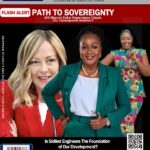
Owusuwaa Weekly presents a special edition filled with extraordinary insight, unfiltered truth, and deep human stories. This isn’t just another publication; it’s a courageous journey into a reality many choose not to see.
Featured Article & Spotlight
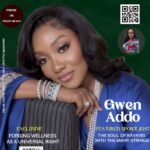
- Featured Article: Forging Wellness as a Universal Right.
- Spotlight: The Soul of Kayayei with the Many Strings.
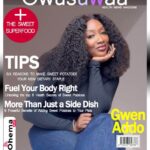
Global Vision: Meet Gwen Addo
This week, Gwen Addo—certified entrepreneur, wellness coach, food educator, and co-founder of Owusuwaa Weekly—takes center stage, presenting a vision that reaches Beyond Walls.

As the founder of Hair Senta, HIBS-Africa, and TLS—The Leading Senta, Gwen is more than a business strategist; she is a movement-builder shaping communities where health, beauty, and wellness are not luxuries, but rights.
Gwen’s Guiding Mission
Empower everyday people with practical wellness tools.
Inspire young minds to contribute to a healthier, more responsible future.
Redefine business as a community hub — a place of trust, connection, and transformation.
HAIR SENTA ADVERTISEMENT


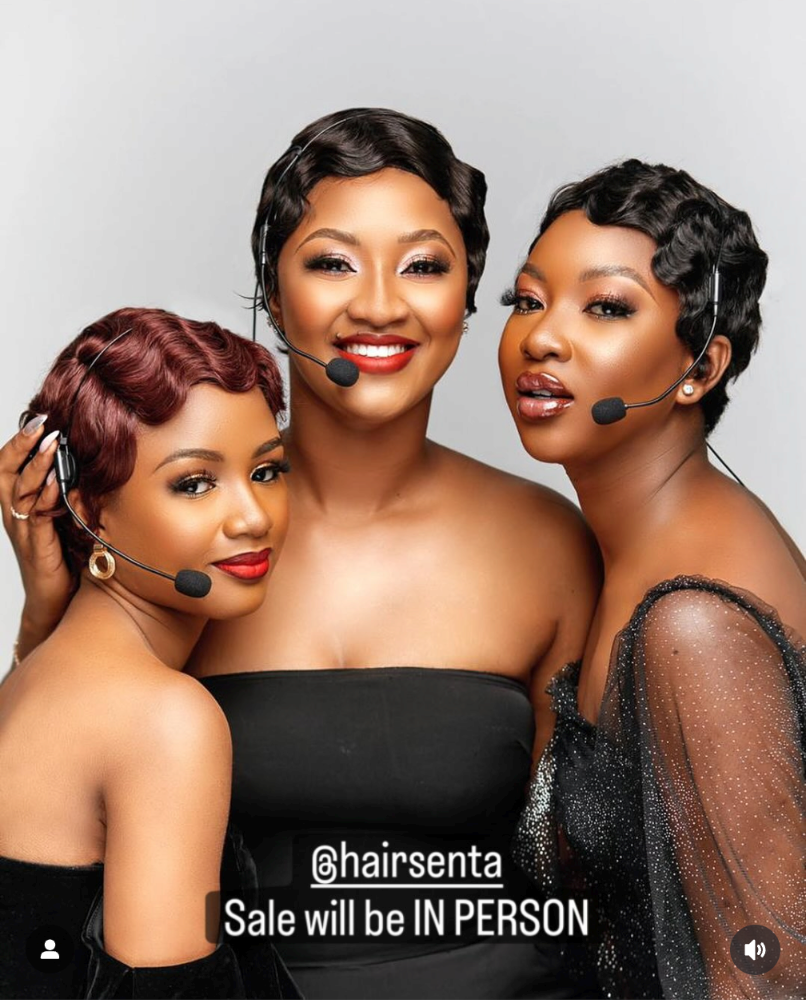


https://www.instagram.com/hairsenta?igsh=MXAzOThhNGZ0Nm15dQ==
👑 HAIR SENTA — The Secret Behind Naturally Gorgeous Hair 👑
“Is it natural? Do you wash it? Everyone keeps asking me!”
That’s the magic of Hair Senta Shopping & Retail — hair so flawless, people can’t tell it’s an extension.
✨ Shipping Premium Human Hair from Ghana to the World! ✨
Why Hair Senta?
🌟 100% Natural Look
Say goodbye to extensions that look fake. Hair Senta hair blends seamlessly — soft, realistic, and undetectable.
👩🏽🦱 Tested & Loved by Real Women
Monitor Gwen says it best:
“When you put it on, it’s perfect — no stress, just beauty!”
💆🏾♀️ Comfort You Can Feel
Created in collaboration with Hair Senta experts and inspired by real stories of painful, low-quality hair, our extensions are: Effective, Comfortable, Affordable, Long-lasting
It’s everything good hair should be — in one product.
🎄 Your Christmas Glow-Up Starts Now!
Treat yourself or someone special to luxury hair that turns heads everywhere.
Shop Now!
🌐 Visit: www.hairsenta.com
📞 Call: (+233) 0544354455 / 0248629769
📍 Location: 24 Jungle Avenue, Accra, Ghana 00233
Hair Senta — Where Confidence Begins.

“Cultural exchange is at the heart of this vision. It creates ripples of connection that unite hearts,” Gwen reflects. For her, health is culture — and culture is the boundless force behind true growth.
Exclusive Guest Feature & Dialogue
In this exclusive conversation, Gwen Addo is joined by Berla Mundi—renowned Ghanaian broadcast journalist and global media personality.



Together, they will unpack the powerful themes of the featured article and the human tragedy behind the Spotlight: The Soul of Kayayei with the Many Strings.
Revealed in their dialogue: How something as simple as caring for yourself and others can unlock deeper truths about personal well-being, social harmony, and national progress.
🌱 Health In Crisis: A Nation on the Edge
Health remains our greatest wealth—more valuable than money or power. This edition confronts the harsh realities faced by 🇬🇭 A Nation on the Edge — Health in Crisis.
This week’s health spotlight also addresses a simple but critical question:
The devastating reality of the Kayayei and the broken second-hand clothing system, the critical questions we must ask span the ethical, economic, environmental, and humanitarian spheres.
Critical Questions to Ask
1. Ethical & Humanitarian Responsibility (The Kayayei)
These questions focus directly on the human cost and the violation of dignity:
- Human Dignity: How can global business practices be fundamentally reformed to ensure the safety, health, and dignity of the Kayayei are prioritized over profit and convenience?
- Accountability: Who is ultimately responsible for the severe, irreversible health damage and fatalities resulting from the exploitation of these young women and girls?
- Empowerment: What sustainable, viable Exit Ramps—including free vocational training, safe accommodation, and micro-financing—can be immediately established to offer Kayayei alternatives to head-porterage?
- Child Protection: Given that girls as young as six are present, what concrete measures are required to enforce child protection laws and address the root poverty driving this child labor?
2. Economic & Systemic Reform (The Broken Model)
These questions challenge the economic structures that allow this exploitation to persist:
- Supply Chain Ethics: How can international exporters and fast fashion retailers be held financially accountable for the massive volume of unusable textile waste (the 40%) they dump onto markets like Kantamanto?
- Cost Internalization: Should global policy mandate that the cost of ethical sorting, recycling, and disposal of textile waste be internalized and paid by the exporting countries or companies, rather than burdened by the Kayayei?
- Financial Justice: What mechanisms are needed to stabilize the income of local retailers and prevent the debt traps caused by buying unusable bales ($200 to $700) and ensure fairer pricing for usable goods?
3. Environmental & Consumer Action (The Waste)
These questions address the global habits and waste management policies:
Policy Gaps: What specific international trade agreements or national import/export policies need to be implemented or revised to prevent low-quality, unsellable textiles from being shipped as “donations” in the first place?
Consumer Responsibility: How can consumers in developed nations be effectively educated to shift behavior from the “buy, wear, discard, donate” cycle toward “reduce, reuse, and demand quality” to slow the pipeline of waste?
Waste Management Innovation: What investment is required to establish advanced, local recycling and upcycling infrastructure in Ghana that could create sustainable, high-dignity jobs for the Kayayei instead of dangerous manual labor?
That powerful statement serves as an excellent, emotionally resonant, and socially conscious introduction for the newsletter, perfectly setting the stage for an article about the Kayayei within the context of Gwen Addo’s mission.
Final layout integrating the introduction as a front-page tip/preface:
Gwen Addo: Forging Wellness as a Universal Right
A Note from the Founders
”The situation for the Kayayei—the female head porters—is unequivocally one of exploitation, extreme necessity, and systemic poverty, not one of pleasure or satisfying work.
The decades-long pattern of extreme poverty in Ghana’s northern regions combined with the broken business model of second-hand clothing in the south has created a system that traps these young women and girls in a cycle of destitution and life-threatening labor.”
Featured Spotlight: The Soul of Kayayei with The Many Strings
This special edition features Gwen Addo, certified entrepreneur, wellness coach, food educator, and co-founder of Owusuwaa Weekly.
As the founder of Hair Senta, HIBS-Africa, and TLS—The Leading Senta, Gwen is more than a business strategist; she is a movement-builder shaping communities where health, beauty, and wellness are not luxuries, but rights.
Gwen’s work centers on understanding the profound connection between culture, community, and health—a mission that requires acknowledging and supporting the most burdened in society. We explore this connection through the lens of: “The Soul of Kayayei with The Many Strings.”
Guiding Principles: Her Mission is Clear
- Empower everyday people with practical wellness tools.
- Inspire young minds to contribute to a healthier, more responsible future.
- Redefine business as a community hub — a place of trust, connection, and transformation.
“Cultural exchange is at the heart of this vision. It creates ripples of connection that unite hearts,” Gwen reflects.
For her, health is culture — and culture is the boundless force behind true growth, especially for those carrying the heaviest loads.
Relating Gwen Addo’s Mission to the Kayayei’s Burdens
Gwen Addo’s mission, as described in the provided text, aligns with addressing the systemic issues that contribute to the Kayayei’s plight by focusing on wellness, empowerment, and community structure.
1. Empower Everyday People with Practical Wellness Tools
| Kayayei Burden (Contextual Inference) | Alignment with Mission (Direct Quote) |
| Physical Harm: Irreversible damage to the spinal column and fatal risks from carrying 55kg bales. | Empower everyday people with practical wellness tools. |
| Connection: As a certified entrepreneur and wellness coach, Gwen’s focus on practical wellness tools could be directly applied to the Kayayei. This may include education on safe lifting techniques, basic body mechanics, or pain management strategies to mitigate the physical effect of their work. |
2. Redefine Business as a Community Hub
| Kayayei Burden (Contextual Inference) | Alignment with Mission (Direct Quote) |
| Financial Trap: Retailers go into debt; Kayayei make little money, trapping them in the work. | Redefine business as a community hub — a place of trust, connection, and transformation. |
| Connection: As the co-founder of Owusuwaa Weekly and a business strategist, Gwen aims to redefine business. This vision of a business as a hub of trust and transformation could address the broken business model mentioned, potentially by advocating for fairer wages, providing financial literacy resources, or creating transitional skills training to offer an escape from the “pattern” of poverty. |
3. Health is Culture and Cultural Exchange
| Kayayei Burden (Contextual Inference) | Alignment with Mission (Direct Quote) |
| Systemic Burden: The Kayayei are the “ultimate carriers of the burden” in a broken business model impacting their human dignity. | “Cultural exchange is at the heart of this vision. It creates ripples of connection that unite hearts,” and “For her, health is culture.” |
| Connection: Gwen’s view that “health is culture” suggests that achieving wellness requires acknowledging and validating the lived experience of groups like the Kayayei. Through cultural exchange, her platform can highlight the truth of “The Soul of Kayayei with The Many Strings,” fostering empathy and driving a collective community effort to address the devastating human cost and seek solutions that transcend mere charity and lead to genuine transformation. |
The Crisis at Kantamanto Market, Accra
The Kantamanto market, the world’s largest second-hand clothing market, is a dramatic demonstration of the consequences of the fast fashion and broken business models.
👚 The Scale of Waste
- Arrivals: 15 million garments arrive every week.
- Immediate Waste: Approximately 40% of the garments are immediately discarded due to being low quality, damaged, or unsellable.
- The Evidence: The massive scale of physical waste is literal and undeniable.
The Financial Burden
- Retailer Debt: The clothing is not free; retailers spend $200 to $700 per bale.
- Broken Model: When retailers cannot sell the items, they go into significant debt.
🧍♀️ The Human Cost: The Kayayei
The ultimate burden of this business model falls upon young women and girls known as Kayayei, a term meaning “she who carries the burden.” The Work and Danger:
| Factor | Detail |
| Age Range | Typically 14 to 45 years, though some carriers can be as young as six. |
| Weight of Bales | 55 kg – often their entire body weight or more. |
| Distance | Carried for a minimum of a kilometer. |
| Frequency | Sometimes up to ten trips a day. |
| Compensation | They make very little money. |
Irreversible Harms:
- Spinal Damage: Irreversible harms to the spinal column after just two months of work.
- Reproductive Impact: Impacts their ability to have children.
- Fatal Risk: Can be fatal, with necks potentially breaking under the weight.
- Fatalities: Three women are known to have died this year alone in the market due to this work.
The information vividly highlights a critical global issue concerning environmental sustainability, ethical labor practices, and social justice. The story of the Kayayei illustrates the extreme and often hidden human suffering caused by the consumption patterns of wealthier nations.
The situation for the Kayayei—the female head porters—is unequivocally one of exploitation, extreme necessity, and systemic poverty, not one of pleasure or satisfying work.
The decades-long pattern of extreme poverty in Ghana’s northern regions combined with the broken business model of second-hand clothing in the south has created a system that traps these young women and girls in a cycle of destitution and life-threatening labor.
1. The Purely Physical and Mental Effect
The physical demands and conditions of the Kayayei’s work result in severe and often irreversible health damage, compounded by mental distress and vulnerability.
- Irreversible Physical Harm: Carrying bales that weigh 55 kg (120 lbs) or more, multiple times a day, causes serious injuries. This includes irreversible damage to the spinal column, neck fractures (which can be fatal), chronic body pain (neck, back, legs), and difficulty breathing under the load.

- Vulnerability and Health Risks: Kayayei often lack stable housing, sleeping in markets or on pavements, which exposes them to harsh weather, disease (like malaria and cholera), and significant safety risks, including sexual assault and rape.
- Mental Health Impact: The combination of grueling physical labor, meager pay (sometimes under $1 per trip), social stigma, and frequent verbal and physical abuse leads to high rates of anxiety, depression, and stress. They are often “looked down upon” and treated “like they don’t matter.”
2. Necessity, Not Pleasure: The Trap of Poverty
The Kayayei’s work is driven by economic necessity and the lack of viable alternatives, making the idea of “pleasure” from carrying such weight completely incongruous with their reality.
A. The Necessity of Survival
- Migration from Poverty: Most Kayayei migrate from the impoverished northern regions of Ghana to the urban south in search of an income because there are few, if any, economic opportunities at home.
- No Other Option: Head porterage is often the only readily available work for these unskilled, young, female migrants. Many see it as a temporary means to save money for a better future, such as starting a small business or returning home with assets, but they quickly become trapped.
- Inadequate Pay: They are paid such meagre wages that they must risk their lives and health by carrying excessively heavy loads multiple times a day just to survive and afford basic necessities, like food or a spot to sleep.
B. The Systemic Trap
The situation is a clear example of systemic exploitation rooted in economic disparity and historical patterns that disadvantage marginalized groups.
- Informal Economy Exploitation: Working in the informal economy, they lack legal protection, making them vulnerable to unscrupulous employers, clients, and market caretakers who often extort or underpay them.
- Global Waste Cycle: Their labor is directly tied to the global cycle of fast fashion waste. They are the unacknowledged, human part of the system that cleans up the excess of wealthier countries, literally carrying the burden of clothing deemed worthless by others.
- The Myth of “Strength”: While they exhibit incredible physical endurance, this is not a source of empowerment but a necessity for survival. Romanticizing “African tradition” or their “strength” by ignoring the pain and exploitation is a form of dehumanization that allows the system to continue.
In summary, the Kayayei are not satisfied or pleased with their burden; they are trapped in a precarious survival mechanism driven by extreme poverty and the structural inequalities of a global economic system.
Here is a suggested opening for the dialogue between Berla Mundi and Gwen Addo, incorporating the greetings and introductions relevant to the newsletter’s theme:
Dialogue Opening: Forging Wellness as a Universal Right
[Scene: A warm, presents setting. Berla Mundi, the host, is seated across from Gwen Addo, the guest.]
Berla Mundi (Host): Welcome back to this very special edition. Today, we delve into a topic that is both challenging and deeply necessary: the profound connection between our economy, our culture, and the right to basic human wellness. We’re here to discuss the groundbreaking article from Owusuwaa Weekly, titled “Forging Wellness as a Universal Right,” and its powerful accompanying spotlight, “The Soul of Kayayei with the Many Strings.”
It is my immense pleasure to welcome the co-founder of Owusuwaa Weekly, the entrepreneur, wellness coach, and author of Direction, the incredible Gwen Addo. Gwen, thank you so much for joining us to share your vision.
Gwen Addo (Guest): Berla, thank you. It’s an honor to be here and to have this crucial conversation with you. As we often say at Owusuwaa Weekly, health is culture, and culture is the force behind true growth. I believe this dialogue, and this article, can be one of those ripples that truly unites hearts.

Berla Mundi (Host): That’s a powerful perspective. And the heart of your mission, which is to define health and wellness as a fundamental right, is tested so acutely by the reality of the Kayayei—young women and girls carrying literal burdens that endanger their lives. Gwen, for our audience, many of whom may have seen these headlines but perhaps not felt the true weight of the issue, how does your philosophy—this idea of “The Soul of Kayayei with the Many Strings”—begin to frame this uncomfortable reality?

Gwen Addo (Guest): Berla, first, let me acknowledge the incredible, courageous reporting that you and your colleagues have brought to light over the years on this crisis. The work you’ve done to illuminate the raw statistics is essential. When you lay it out—and I’ll summarize for the audience, because the facts are devastating—it becomes impossible to look away:
The Crisis at Kantamanto Market, Accra
The Kantamanto market, the world’s largest second-hand clothing market, is a dramatic demonstration of the consequences of the fast fashion and broken business models.
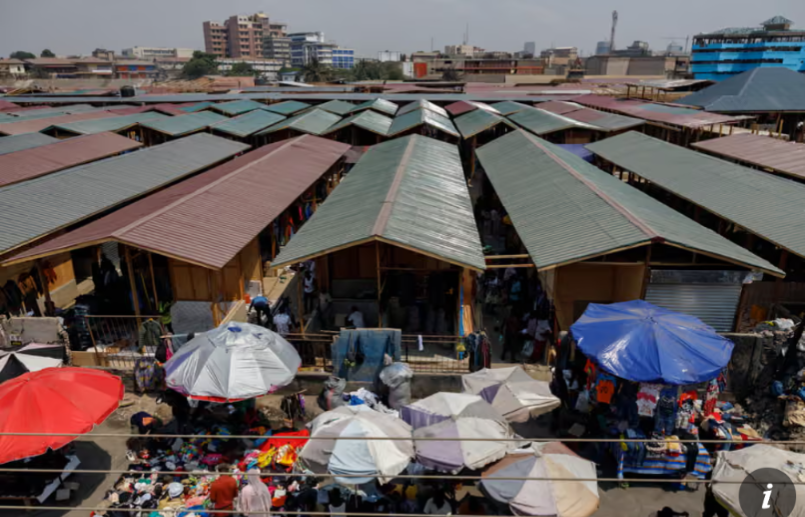
- The Scale of Waste: 15 million garments arrive every week, and 40% are immediately discarded. The scale of physical waste is literal and undeniable.
- The Financial Burden: Retailers spend $200 to $700 per bale and are trapped in debt when the items are unsellable.
- The Human Cost: The Kayayei: The ultimate burden of this business model falls upon young women, the Kayayei—she who carries the burden. They carry bales that are 55 kg—often their entire body weight—for multiple kilometers, sometimes ten trips a day.

- Irreversible Harms: The work causes irreversible damage to the spinal column after just two months, impacts their ability to have children, and can be fatal. Tragically, three women are known to have died this year alone in the market.
This summary, Berla, is the very definition of a social illness. It highlights a critical global issue where environmental unsustainability, ethical labor failure, and social injustice converge. The story of the Kayayei illustrates the extreme and often hidden human suffering caused by the consumption patterns of wealthier nations.
So, when we talk about “The Soul of Kayayei with the Many Strings,” we are refusing to accept this situation as just another problem to be managed. That phrase is our way of saying: This is not just an economic transaction; it is a profound violation of human dignity.
The “many strings” are the ties that bind her: the threads of poverty driving her from the north, the strings of a global fast fashion system that sees her as disposable labor, and the deep cultural string of resilience that allows her to survive despite the exploitation. Our article, “Forging Wellness as a Universal Right,” is about addressing those strings—not by offering pity, but by building systems of empowerment that redefine the business model and see her health, safety, and future as non-negotiable human rights.
Dialogue Continuation
Berla Mundi (Host): Gwen, that is an unforgettable summary. You’ve clearly articulated the layers of this crisis—from the environmental cost of 15 million discarded garments to the devastating, personal cost paid by the Kayayei. It shifts the entire conversation from simply “what are we doing to help?” to “how is the global system breaking this community?”
You yourself, through Hair Senta and HIBS-Africa, are a highly successful entrepreneur who built a brand on empowerment and business integrity. My own initiative, ‘B. You by Berla Mundi,’ focuses on mentoring young women to find purpose and financial security, often targeting those in tertiary education.
Given your mission to “Redefine business as a community hub” and to “Empower everyday people with practical wellness tools,” where do you see the most immediate and impactful overlap between the Kayayei’s desperate reality and your philosophy? What practical steps can we, the entrepreneurs and advocates, take to address this systemic exploitation?
Gwen Addo (Guest): That is the million-dollar question, Berla. And it’s exactly where the Human Revolution needs to happen—not just in government or international aid, but in our business ethos.
I see three immediate points of intersection, all rooted in Owusuwaa Weekly‘s vision:
1. Transforming the Hub: Creating Exit Ramps
The Kayayei are trapped because the cost of not carrying the bale—returning home to zero—is higher than the risk of carrying it. My work has always been about teaching women to build a solid foundation. We need to leverage business infrastructure to create viable Exit Ramps. This means partnering with local NGOs—like PAYDP and ACDEP, who are already on the ground—to provide targeted vocational and financial literacy training. We can train them in scalable trades and provide start-up micro-capital for small-scale industries that offer a genuine alternative to head-porterage. This turns the market from a place of exploitation into a Business Incubator.
2. Wellness as Economic Dignity
When we talk about wellness tools, it must start with physical survival. The statistics on spinal damage are horrific. A short-term solution involves working with local health organizations to establish mobile health clinics at the market offering physical therapy, pain management, and reproductive health counseling. But the long-term, economic dignity solution is giving them a skill that doesn’t demand their body as collateral. My focus on beauty and wellness is vast; we can train young women as certified assistants in skills like natural hair care, product formulation, or food education, turning their resilience into a sustainable, injury-free career path.
3. The Power of Cultural Exchange: Changing the Narrative
Your initiative, ‘B. You,’ and the platform you offer are crucial here. The system survives because the Kayayei are invisible. Cultural exchange, for us, means connecting the privileged young women you mentor with the reality of the Kayayei. When an aspiring female CEO sees the exploitation of a 14-year-old girl carrying 55kg, the message isn’t charity; it’s an indictment of the system that allows her to thrive while the other struggles. It creates a unified sisterhood demanding sustainable, ethical supply chains and investment in the Kayayei’s northern regions to address the root cause of the migration.
The many strings of their soul need to be re-woven with direction, skills, and hope. That is the human revolution we must champion.
Dialogue Continuation
Berla Mundi (Host): That is powerful. I love the concept of the market becoming a Business Incubator and the direct linkage between wellness and economic dignity. When we return, I want to explore how international readers can truly leverage their consumer power to support these ethical pivots, and what role your book, Direction, plays in guiding the young women who are on that Exit Ramp to a better future. Stay with us.
(Brief pause for a simulated commercial break)
Berla Mundi (Host): Welcome back. We are here with Gwen Addo, discussing her groundbreaking article, “Forging Wellness as a Universal Right,” and the human stories behind the “The Soul of Kayayei with the Many Strings.”
Gwen, before the break, you laid out a brilliant strategy for transforming the market into a hub for skill development. But let’s talk about the international angle. The root cause of that 40% waste—the poor quality bales—comes from outside Ghana. For our audience worldwide, many of whom participate in the fast fashion cycle, how can they leverage their role as consumers to support the ethical pivots you are advocating for? What is the responsible action for the international reader?
Gwen Addo (Guest): That is the responsibility we all share, Berla, and it’s what defines true cultural exchange—it’s not just about what we take, but what we demand.
For the international reader, your action is threefold: Educate, Advocate, and Invest.
1. Educate: Stop the Pipeline
The first step is to internalize the reality you and your team have so clearly presented: that the clothes they donate—the ones deemed “unsellable”—are causing spinal damage and death right here in Accra. They must demand transparency from global brands about their textile waste management. The mantra must change from “It’s better to donate than trash” to “It is better to buy less and buy better.”
2. Advocate: Demand Sustainable Supply Chains
Consumers must use their voice to push governments and retailers in their own countries to impose stricter regulations on textile waste and to support local circular economy initiatives within Ghana. We need to advocate for global policies that recognize the Kayayei’s labor as a human rights issue, ensuring that the cost of disposal is borne by the exporter, not by the bodies of the most vulnerable in the receiving country.
3. Invest: Fund the Exit Ramps
Finally, they can invest directly in the Exit Ramps we discussed. Find and support organizations that are focused on:
- Northern Development: Investing in sustainable farming and business in the Kayayei’s home regions to address the root cause of migration.
- Skills Training: Directly funding the vocational centers and mobile health units in Kantamanto.
This is how the international community honors the “Soul of Kayayei”—by shifting from a model of pity to one of partnership and systemic correction.
Berla Mundi (Host): That is a powerful call to action: Educate, Advocate, and Invest. It moves the focus from charity to fundamental change. Now, speaking of direction and change, you are the author of the book, Direction. For a young Kayayei woman who has just found an Exit Ramp and is stepping into a skills training program, what central message does Direction offer her? How does it help her navigate this fragile transition from survival to self-sufficiency?
Gwen Addo (Guest): Direction is essentially a roadmap for cultivating inner power when the outer world feels chaotic. For the young woman who has carried the weight of 55 kilograms for too long, my message is simple: You already possess the greatest strength.
Direction teaches her that the discipline she learned carrying those bales—the physical endurance, the commitment, the sheer willpower to survive—can be translated into the focus required for financial literacy, business management, and building a dignified life. It empowers her to see her past struggle not as a shame, but as the raw material for her incredible future success. It helps her chart her own course—to be the author of her own story, not just a character in someone else’s broken business model.
Dialogue Conclusion: The Moral Mandate

Berla Mundi (Host): Gwen Addo, your insights have been truly revolutionary, turning the problem of waste into a mandate for wellness. Now, to conclude this crucial discussion, I want to reflect on the core philosophy that underlies all we’ve discussed: the fierce commitment to human dignity, taught and lived by SGI President Daisaku Ikeda.
Gwen, drawing from his heart, his message on the profound suffering of the Kayayei is not just a call for reform, but a moral injury and a violation of the highest human ideals.
1. Indignation and Refutation of Injustice
For President Ikeda, the suffering of the Kayayei evokes a clear, unwavering indignation—the righteous anger that arises when human dignity is trampled. He would declare this exploitation, this forced labor on girls who should be learning and dreaming, as a Crime Against Human Rights, reminding us: “Extreme poverty threatens people’s right to life itself and makes impossible the enjoyment of the rights and freedoms essential to a humane way of life.”
And he would condemn the Violence of Apathy, saying that “To fail to take action even with clear knowledge of such suffering can only be called cowardice.” Indifference is itself a form of violence. He calls upon every single one of us—leaders, citizens, youth—to raise our voices and refuse to look away.
2. Compassion as Empowerment
His compassion is not sentimental; it is courageous, active, and empowering. It demands a Solidarity of the Heart—that we feel the suffering of the Kayayei as our own. True Buddhist compassion is “the determination to relieve suffering and impart joy.”
He reminds us that the Kayayei are not “objects of pity” but resilient human beings. Society must offer seamless, collective support to restore their hope and dignity. And to the women themselves, he would affirm: “Those who have suffered the most deserve the greatest happiness.” He would remind them, and us, that the power they possess is limitless, and “There is no suffering you cannot conquer.”
3. Human Revolution for Systemic Change
Finally, we must challenge ourselves to see the deeper cause. Their suffering arises from the ego’s “unrestrained and destructive expression”—a society that uses people as tools, not treasures. As he taught: “The world will never get better as long as people themselves remain selfish and lacking in compassion.”
Therefore, our mission—your mission, Gwen, and my mission—is clear: We must strive for the Human Revolution, the inner transformation, to support the creation of a Constructive Economy where all people can participate in creating lasting worth—a world where Wellness is forged as a universal human right, not a privilege.
Gwen Addo (Guest): That is the ultimate call, Berla. It perfectly encapsulates why we must move beyond simply managing waste to transforming the human heart. That message of rejecting injustice, embracing empowering compassion, and transforming ourselves is the Direction we all need.
Berla Mundi (Host): Gwen Addo, certified entrepreneur, wellness coach, and co-founder of Owusuwaa Weekly—thank you for giving us a Direction rooted in profound humanity and practical action. This conversation has been essential.
Gwen Addo (Guest): Thank you, Berla. It has been an honor.
Berla Mundi (Host): Gwen Addo, certified entrepreneur, wellness coach, and co-founder of Owusuwaa Weekly—this conversation has been essential. Your vision for Forging Wellness as a Universal Right and your practical steps to address the tragedy of The Soul of Kayayei with the Many Strings gives us not only hope but a clear roadmap for action. Thank you so much for sharing your time and your mission with us.
Gwen Addo (Guest): Thank you, Berla. Let’s keep the conversation going.Berla Mundi (Host): And thank you to our audience worldwide for joining this crucial dialogue. Be sure to read the full special edition of the Owusuwaa Weekly Health Newsletter Magazine on Friday, November 28th, 2025, exclusively at assumptagh.live. Good night.
SGI-Our Shared Humanity.


https://www.instagram.com/babies_and_todds_day_care?igsh=MWs0ZHlsbjcxNXEyZg==
🌟 Welcome to Babies & Toddlers Daycare — Windhoek’s Home of Joy, Learning & Growth! 🌟
Looking for a safe, loving, and stimulating environment for your little one?
At Babies & Toddlers Daycare & Preschool, we provide more than childcare — we build the foundation for future leaders, creators, and dreamers.
📍 Located in the heart of Windhoek
✨ Why Parents Trust Us:
- 🧸 Warm and nurturing environment
- 📚 Early learning through play and structured programs
- 👫 Social development through sharing and teamwork
- 🎨 Daily creative and sensory activities
- 🛡️ Supervised by trained and caring educators
“The Daycare’s dreams, hopes and expectations for Africa are reflected in the shining model of our children,”
— Ms. Assumpta Gahutu, Principal & Co-Founder of Assumpta Newsletter Publication Magazine
📞 Enroll Now!
Call / WhatsApp: +264 81 673 7599
🌐 Visit: www.babiestodds.com
📸 Follow us on Instagram: @alinajosef_ (and join our growing family!)
Babies & Toddlers Daycare
Where every child is loved. Every talent is nurtured. Every smile is celebrated. 🥰


https://www.instagram.com/serwaaamihere?igsh=N216N3hzeTE3eHho
✨ Office and Co by SA — Where Ambitious Women Dress to Win ✨
Shopping & Retail | Ghanaian Ready-to-Wear Fashion Brand
At Officeandcobysa, we design cutting-edge corporate and executive wear for the ambitious, stylish, and upwardly mobile woman.
From the boardroom to high-profile events, our pieces empower women to command presence with elegance and confidence.
✅ WE SHIP WORLDWIDE
🌍 Browse the collection: www.officeandcobysa.com.gh
📩 Instagram / Facebook: @officeandcobysa
🌹 Serwaa Amihere – The Face of Refined Confidence
Edited by Assumpta Newsletter Publication Magazine
What makes a beautiful woman truly beautiful?
It is not just her appearance, but how she honors her body, preserves her rhythm of life, and carries herself with grace.
True beauty is health, brilliance, and timeless glow.
No one embodies this better than Serwaa Amihere — The Innovator.
Every day, she rises with one mission:
“To ensure that every woman is dressed in excellence.”
Clothed in Officeandcobysa, she represents the modern African woman — powerful, polished, and unstoppable.


💁♀️ Oh_my_hairr — Where Natural Beauty Comes Alive
Hair Extensions & Beauty Service
We specialize in 100% Virgin Human Hair Extensions & Premium WIGS, crafted to blend effortlessly with your natural beauty.
But that’s not all — step into full luxury with our Nails • Pedicure • Manicure services.
Because beauty is a full experience, not just a look.
🌿 Beauty That Feels Like Nature
Model: Adachi Ward, Tokyo — Age 49
At Oh_my_hairr, our hair doesn’t just look good —
It looks natural. It feels powerful. It awakens confidence.
Experience the kind of beauty that makes you say:
“Is it really a wig?!”
📍 Visit / DM to Book
📸 Instagram: @Oh_my_hairr
💬 100% Virgin Hair • Worldwide Shipping • Salon Services Available
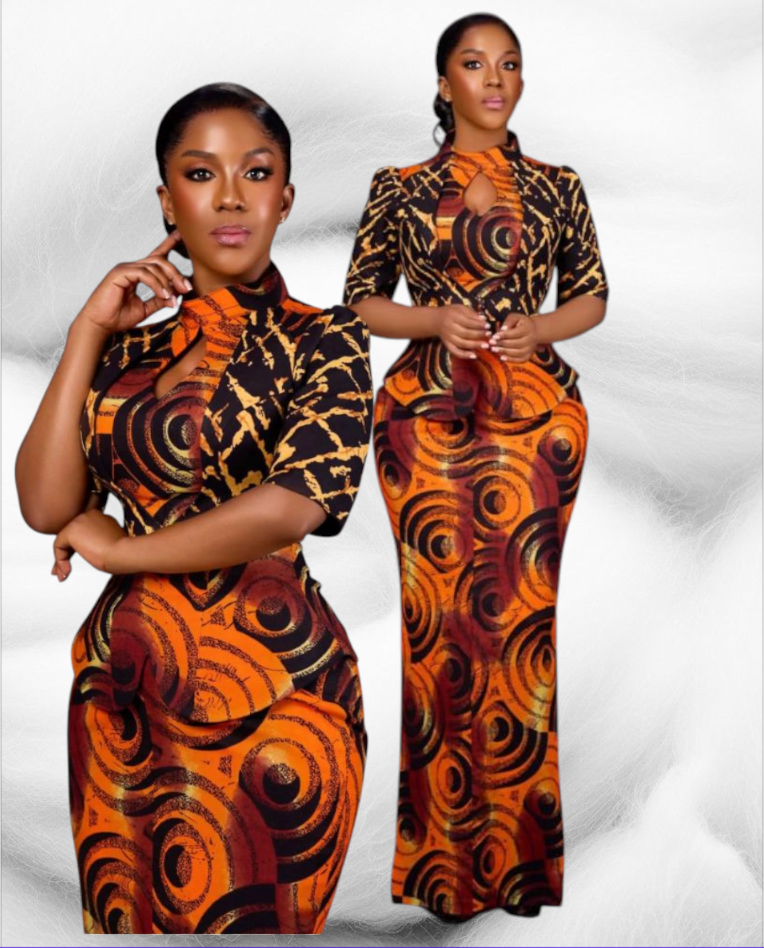

https://www.instagram.com/laurenhautecouture?igsh=MWxzNXN1Ym5nZ3o3Mg==
Elegance Redefined – Lauren Haute Couture
Step into the world of Lauren Haute Couture, where sophistication meets timeless elegance. Worn by the stunning Ghanaian TV presenter Cookie Tee, this exquisite olive-green ensemble embodies class, confidence, and couture craftsmanship.
With a structured silhouette, intricate detailing, and a touch of shimmer, this design is perfect for the modern woman who wants to make a statement. Whether it’s for a red carpet, high-profile event, or a powerful business look, Lauren Haute Couture ensures you stand out with grace and luxury.
Dare to be different. Dress in Lauren Haute Couture.
Follow @laurenhautecouture for more exclusive designs.


https://www.instagram.com/goba_kente?igsh=d2Vwd2E2M2VtcTZq
“GOBA KENTE – Where Tradition Meets Timeless Elegance! 🕊️✨”
Step into the Home of Dignity, Tradition, and Cultural Heritage, where every weave tells a story. GOBA KENTE is more than fabric—it’s a masterpiece of colors, creativity, and craftsmanship, woven with pride.
🌍 Worldwide Shipping Available – Authentic Kente, delivered to your doorstep!
📍 Find us on Google Maps – Experience the legacy in person.
🔗 Shop Now: Qlinktr.ee/gobakente
📸 Follow us: @goba_kente
GOBA TOGETHER – Wear Your Culture with Pride! 🖤💛💚

https://www.instagram.com/quophiakotuahghana?igsh=MWd6dXk1czEwZzdvNw==
Joselyn Dumas in the Outfit
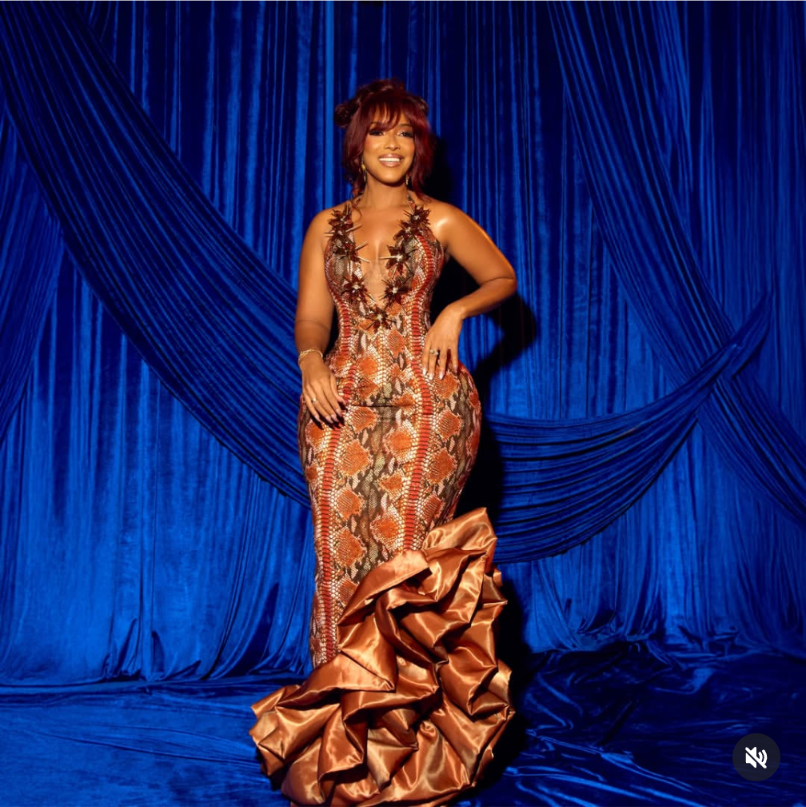
- The Gown: Joselyn dazzles in a floor-length masterpiece featuring a figure-hugging, corset-style bodice that beautifully enhances her curves. The fabric showcases an intricate snakeskin-inspired pattern in warm tones of orange, rust, and bronze. A bold plunging neckline is accented with a braided or beaded halter-style strap, adding a touch of luxury. The gown cascades into a dramatic, multi-layered ruffled train crafted from a rich, satiny bronze material that brings movement and grandeur to the look.
- The Setting: She stands against a backdrop of deep royal blue velvet drapes, creating a striking contrast with the warm hues and complex textures of her attire.
- Overall Vibe: From the gown’s craftsmanship to the opulent backdrop and sparkling chandelier overhead, the entire scene radiates glamour, drama, and couture-level sophistication.
Joselyn Dumas: The Queen of Elegance
Renowned as a fashion icon, Joselyn Dumas consistently delivers looks that are classy, refined, and impeccably tailored. This particular ensemble reinforces her reputation as the “Queen of Elegance,” combining premium fabrics, a regal silhouette, and statement detailing.
- The Look of a Queen: The fusion of rich textures, dramatic structure, and fine embellishment creates a presence that is undeniably regal. Her poised stance and polished aura elevate the outfit from beautiful to iconic.
Designer Spotlight: Quophi Akotuah 🇬🇭
The breathtaking gown Joselyn wears is an exquisite creation by the celebrated Ghanaian fashion house Quophi Akotuah.
Led by Creative Director Michael Akotuah Addo, the brand is renowned for being one of Ghana’s champions of couture and bridal fashion, admired for its meticulous craftsmanship and unforgettable designs that blend African heritage with high-end luxury.
- Brand Essence: A proudly African fashion house specializing in couture womenswear and menswear, defined by elegance, precision, and bold artistic expression.
- Location: Dansoman High Street, Accra, Ghana
- Contact Information:
- Ghana Phone: 0248182995
- International Phone: +1 (215) 500-7423
- Email: info@quophiakotuahonline.com
- Website/Shop: quophiakotuahonline.com/shop
Knowing that this gown was designed by Quophi Akotuah further emphasizes the themes of luxury, artistry, and masterful craftsmanship.


https://www.instagram.com/delish_bakerygh?utm_source=ig_web_button_share_sheet&igsh=ZDNlZDc0MzIxNw==


https://www.instagram.com/flourishheights?utm_source=ig_web_button_share_sheet&igsh=ZDNlZDc0MzIxNw==


https://www.instagram.com/serwaaamihere?utm_source=ig_web_button_share_sheet&igsh=ZDNlZDc0MzIxNw==





HAIR SENTA_WOMEN ON TOP
